“The Silence That Stayed: Healing From Childhood Emotional Neglect”
April 18, 2026
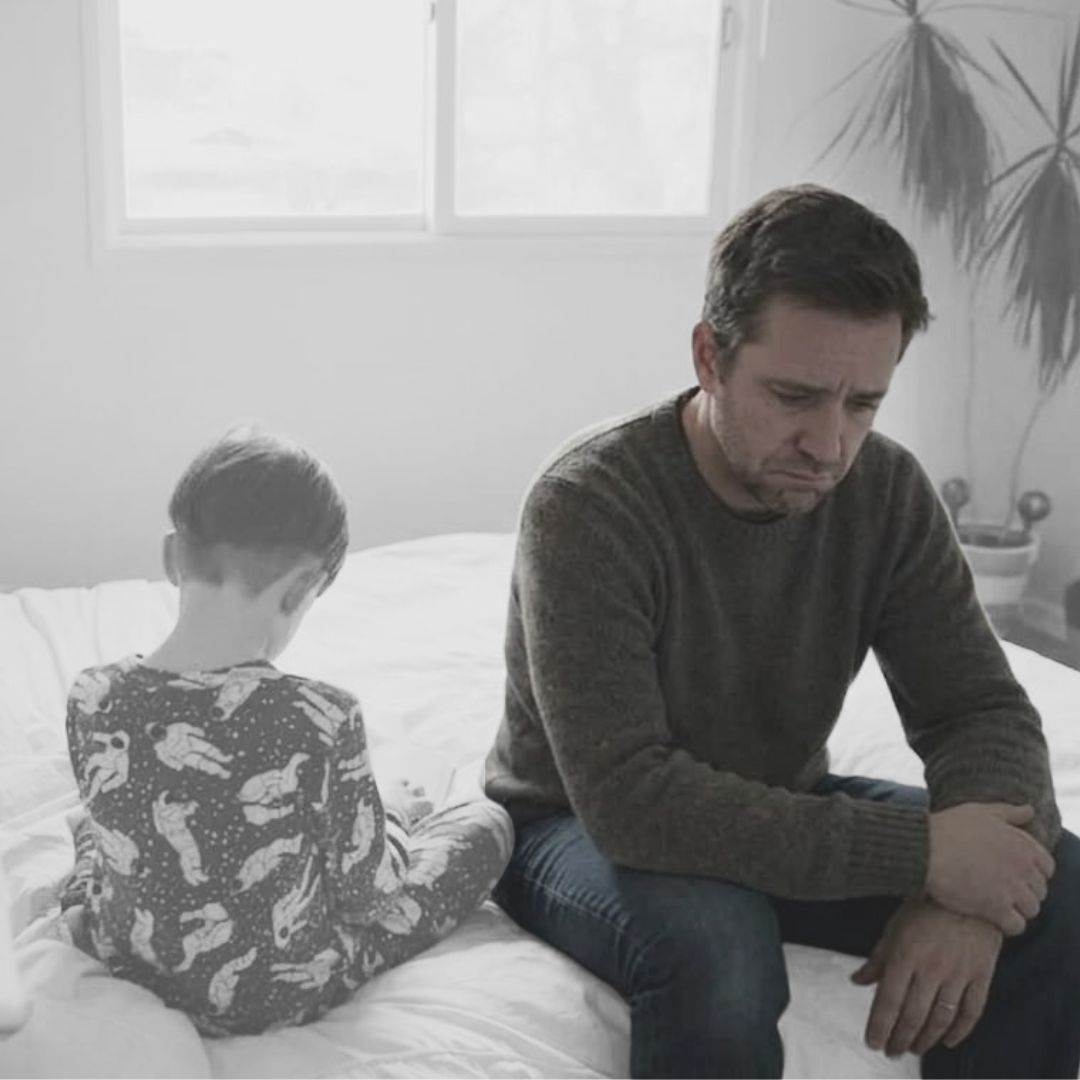
Not all wounds are loud. Some are quiet, invisible, and deeply rooted in what didn’t happen. Childhood emotional neglect isn’t about abuse or harsh words—it’s about the absence of emotional support, validation, and connection. It’s the feeling of growing up unseen, unheard, or emotionally alone… even in a room full of people.
And the truth is—many adults carry this silence within them without even realizing it.
Childhood emotional neglect happens when a child’s emotional needs are consistently overlooked, dismissed, or unmet. This could look like:
- Parents who were physically present but emotionally unavailable
- Lack of comfort during distress
- Being told to “toughen up” or ignore feelings
- Growing up without emotional guidance or validation
It’s not always intentional. Sometimes caregivers themselves didn’t know how to express emotions.
Emotional neglect doesn’t leave obvious scars—but it shows up in subtle ways:
- Difficulty identifying or expressing feelings
- Feeling “empty” or disconnected
- Being overly independent or avoiding asking for help
- Low self-worth or constant self-doubt
- Struggling with intimacy or emotional closeness
- Feeling like your needs don’t matter
You may not have the words for it—but you feel its weight.
When emotional needs are unmet in childhood, we often learn to suppress, ignore, or disconnect from our feelings. As adults, this can lead to:
– Emotional numbness or burnout
– People-pleasing tendencies
– Fear of vulnerability
– Difficulty forming deep, secure relationships
– Internalized belief: “My feelings are not important.”
The child learns to survive by shutting down. The adult struggles to feel alive again.
Healing Is Possible — Here’s How
1. Acknowledge What Was Missing
Healing begins with awareness. It’s okay to admit:
“Something important was missing in my childhood.”
This is not about blame—it’s about clarity.
2. Learn the Language of Emotions
Start identifying what you feel. Use simple words: sad, anxious, angry, overwhelmed.
Naming emotions is the first step toward understanding them.
3. Practice Self-Validation
Instead of dismissing your feelings, gently affirm them:
“What I feel makes sense.”
Give yourself the emotional support you didn’t receive.
4. Reconnect With Your Inner Child
That younger version of you still seeks comfort.
Write letters to your younger self
Visualize offering them reassurance
Give yourself the care you needed back then
5. Build Safe Emotional Connections
Surround yourself with people who listen, validate, and respect your emotions.
Healthy relationships can help rewrite old patterns.
6. Set Boundaries Without Guilt
You’re allowed to have needs.
You’re allowed to say no.
Boundaries are not selfish—they’re protective.
7. Consider Therapy or Guided Support
A safe space with a professional can help you process, understand, and heal deeper emotional layers.
You were never “too much.”
You were simply
not met enough.
Healing from childhood emotional neglect is not about changing your past—it’s about changing your relationship with yourself. It’s about learning to feel, to trust, and to show up for yourself in ways no one else did before.
The silence you grew up with does not have to defi ne your voice today.
You are allowed to feel. You are allowed to need. And most importantly—you are allowed to heal.